

How to Maintain a Frost Free Fridge and Freezer
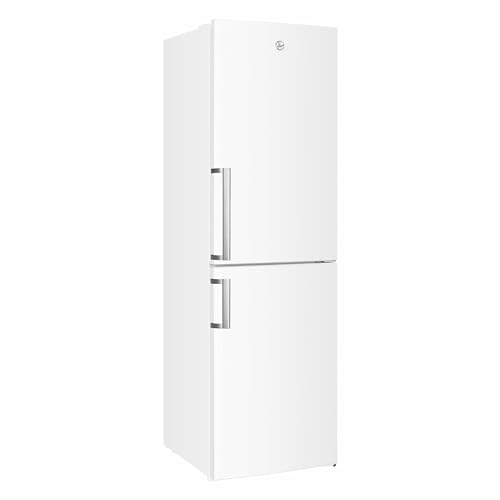
Defrosting is not required with a frost-free fridge freezer. This can save you time, effort and electricity when compared to a traditional refrigerator/freezer.
Food that has been frozen could be damaged when ice crystals form on the package. These crystals can cause freezing burns or alter the texture of food.
Defrost
The process of defrosting the freezer isn't exciting or enjoyable, but it is an essential aspect of maintaining your fridge and freezer. Warm air is dragged into the freezer every time you open it, which causes condensation and frozen surfaces. The frost can hinder the freezer's ability to regulate temperature, causing it to work overtime and consume more energy. It can also affect the flavor and quality of food and may cause freezer burn.
Defrosting a freezer naturally is the best choice, but it can take several hours. In the event of a crisis using a hairdryer or handheld steam cleaner can speed up the process. Make sure you unplug and turn off the freezer before beginning. Remove all frozen food items and clean up any spilled water.
Make sure you have a towel, or a plastic liner ready before you begin the process of defrosting. This will catch any water that may spill. It's also recommended to empty your freezer completely to allow you to reorganize the food items that remain and take out old or expired items. After defrosting has been completed ensure that you clean and dry the freezer section thoroughly before turning it back on.
To accelerate the natural process of defrosting, open and close the door to your freezer a few times to help the temperature rise. Take out all drawers and shelves to allow you to get closer to the ice. You can also place highly absorbent towels or newspapers on the floor to soak up any puddles that may form from melting the ice.
When the ice is melting make sure you keep a warmed spoon or plastic spatula handy to cut off any large chunks that build up on walls inside. Avoid using sharp objects like forks, knives, or ice picks to smash through ice, since this could puncture the interior walls of the freezer, causing leaks and damage. Make sure to wash and clean the removable drawers and shelves once the ice has been removed. After cleaning the freezer then plug it in and allow it to run for a couple of hours to get back to normal temperatures.
Clean
Regular cleaning is the most effective method of preventing spores and food smells from accumulating. Discard any produce that is spoiled or over its best. Clean all drawers and shelves with soapy water using a damp cloth (I use Seventh Generation Natural Dish Liquid). Dry them. I also wipe down the freezer with a cloth dipped in a solution of baking soda and vinegar or water and water. Stubborn stains may require scrubbing with a nonscratch brush. I also clean the coils in the back of my refrigerator with a blower. This will remove all the pet fur, dirt and dust that has accumulated in difficult to reach places.
When you have an appliance that is frost-free, you will not need to defrost it as often as other models. Frost-free refrigerators have a mechanism that circulates cold air to cool food items, thus eliminating the need for manual defrosting. It is important to clean your refrigerator at least once per week. Get rid of any food that has passed its expiration date and take out any old bottles, jars, and soy sauce packets.
To make defrosting simpler remove the contents of your freezer and temporarily place them in another freezer, a cooler containing ice packs, or a box covered with blankets. During this process, make sure to protect the floor of your freezer by putting an old towel on the bottom. Once the freezer has been defrosted, you can scrape off any remaining ice with an ice scraper made of plastic.
If your refrigerator has an automatic defrost system built-in it is likely to have an indicator light that lets you know that it is time for a defrost cycle. Clean out the freezer and place it on the counter to avoid losing frozen food during defrost. You can then restock it with frozen foods that have longevity. Then, you can use the old towel that is on the bottom of the freezer to capture any dripping water as it melts.
Keep
If frost covers the evaporator the evaporator will freeze. This causes the fridge to work more and consume more power. Regular maintenance is vital. This can be prevented by disconnecting the fridge and cleaning the evaporator.
If Frydge is functioning properly, a layer of ice should form on the evaporator with an uniform pattern. If there is ice build-up on the evaporator and is not caused by an issue with defrost, it may be an indication of a defective timer or defrost termination thermostat.
In older models, the return air duct and supply to and from the freezer may be blocked by pet hair, dirt or food residue. This makes the compressor work harder and produces excess heat. This heat will then move into the refrigerator cabinet, causing temperatures to rise. Maintaining the gasket on the freezer's door free of any damage and ensuring that it is sealed will lessen the chance of this happening.
The freezer's frequent opening can also allow humid room air to enter the appliance, creating an environment where ice and frost are more likely to form. Keeping the freezer tightly closed will help, but it is not the answer to eliminating all problems with frost and ice.
Clean the evaporator drainage trough to make sure it is not blocked with food debris or ice. A hand-held vacuum hose, or a special refrigerator coil cleaner (typically with a brush that slips into difficult-to-access places) is a great way to do this.
Keep the freezer space clear of any obstructions that could hinder air flow or obstruct the condenser fan. Clean the shelves and walls of the freezer using a mixture of hot dish soap and hot water. You can also use baking soda to remove any food residues and to eliminate smells. Make sure that the air vents in the refrigerator and freezer compartments aren't blocked, because this can hinder air circulation and increase the humidity levels inside the appliance.
Repair
There are many reasons why your fridge freezer that is frost-free may not be working correctly. Most of these issues are simple to fix, but some require professional assistance. The issue is typically caused by something that blocks air from moving towards and from freezer section. This could be caused by over-packed food packages or clogged ventilation gaps, and opening the door for too long.
Unplug your fridge prior to completing any repairs or maintenance. This will prevent the risk of electric shock and also allow any frost to melt by itself.
If the refrigerator is not cooling, it could be because of an issue with the defrost system. In this type of refrigerator and freezer, a heater is automatically turned on periodically to melt any frost that has formed on the evaporator coils. The melted snow flows down a drain tube into a pan located in the back of the freezer, and eventually evaporates into ambient air. The defrost-timer could need to be replaced if it is malfunctioning.
A bad seal could also be preventing cold air to be able to enter the freezer area of your fridge. You can easily solve this issue by cleaning the seal with soap and warm water. Check to see if there are any obstructions to the freezer vents or resting against the back wall of the refrigerator.
You can also replace the freezer gasket in case it is damaged or worn out. Many major appliance manufacturers provide replacement parts, including freezer gaskets. It is important to keep in mind that only a professional with a license should replace the freezer gasket.
Or, you could be experiencing a problem with the evaporator fan which circulates the air in your freezer area of your fridge. You'll hear a clicking noise when the fan is switched on. The evaporator's ice is getting too thick and causes the fan blades to be damaged. This will require an expert to diagnose and corrected.